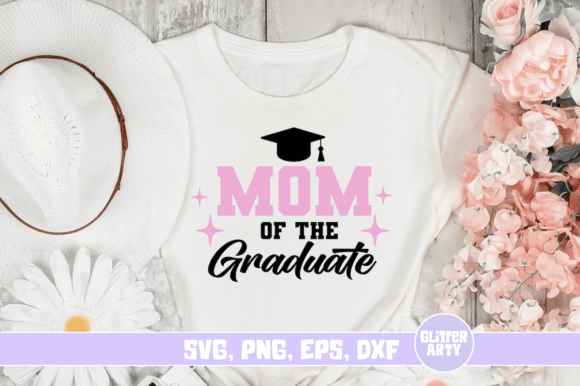
Mom of the Graduate SVG, PNG, EPS, DXF
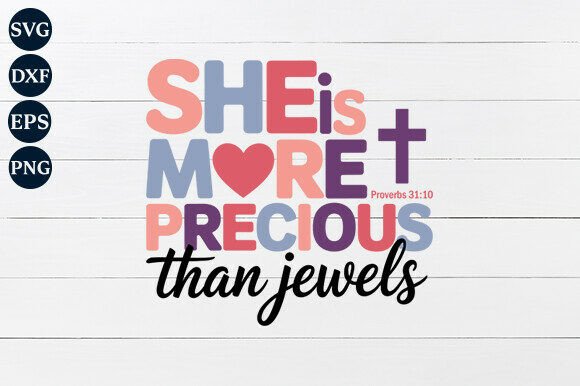
As a designer who’s stitched hundreds of graduation-themed pieces—from baby onesies to boutique aprons—I opened Mom of the Graduate SVG, PNG, EPS, DXF with quiet curiosity, not hype. I wasn’t looking for “cute.” I was looking for workable: clean lines that translate to thread, balanced negative space for breathability in stitching, and a tone that feels warm without leaning into cliché. What I found was a quietly confident design—rounded sans-serif lettering paired with a subtle laurel wreath motif, neither too ornate nor too minimal. It reads as proud, grounded, and personal—not performative. That matters when you’re embroidering something meant to be worn, gifted, or sold.
Real-Life Test: A Linen Tote Bag for Graduation Day
Last week, I prepped a custom order: a natural linen tote bag for a client whose daughter was walking in May. She wanted something elegant but not fussy—something she’d carry all day, then reuse for farmers’ markets or weekend trips. I loaded Mom of the Graduate SVG, PNG, EPS, DXF into my embroidery software, resized it to 4.2” wide (a comfortable fit for a standard 5x7 hoop), and ran a test on scrap linen with medium-weight cutaway stabilizer. The result? Crisp edges, even satin stitch curves, and lettering that held its shape without bleeding or shadowing—critical on textured fabric like linen. No re-hooping. No thread breaks. Just clean, confident stitching.
That’s the quiet strength of this embroidery file: it doesn’t shout. It supports the moment. On the finished tote, the design sat just right—visible enough to spark smiles (“Oh—you’re her mom!”), but understated enough to avoid feeling like a billboard. Customers notice that difference. They pay more for intentionality.
Where It Shines—and Where to Pause
Mom of the Graduate SVG, PNG, EPS, DXF works especially well for:
- Custom apparel: Sweatshirts, crewnecks, and lightweight jackets—its moderate height and open letter spacing prevent dense fill stitch buildup that can stiffen fabric.
- Embroidered patches: Clean outlines and consistent stroke weight make it ideal for iron-on or sew-on patches used on backpacks, caps, or denim jackets.
- Baby embroidery: When scaled down to 2.8”, it reads clearly on onesies or burp cloths—no tiny serifs or fragile connectors that vanish at small sizes.
- Kitchen and home goods: Tea towels, pillow covers, and aprons benefit from its balanced proportions—it doesn’t overwhelm the item or compete with functional details like pockets or ties.
- Etsy listings and craft fair products: As a digital embroidery file, it’s versatile across mockup templates—works equally well in light/dark fabric previews, printable mockups, and layered product shots.
But it’s not universally frictionless. Use extra care on:
- Stretchy fabrics (like cotton jersey or performance knits): Always pair with tear-away + cutaway combo stabilizer—and test tension first. Lettering can distort if the base fabric shifts mid-stitch.
- Curved surfaces (caps, beanies): The wreath element wraps cleanly, but avoid placing it too close to the crown seam. Hoop size and cap frame compatibility matter here—check your machine’s cap-hooping specs before committing.
- Dark or heavily textured backgrounds: While the design has good contrast in vector form, always preview in black-and-white mockups. Some EPS or SVG viewers render thin strokes lighter than they’ll stitch—verify actual stitch density in your embroidery software.
- Frequent-wash items (baby clothes, kitchen towels): Confirm thread colorfastness and use high-quality polyester thread. Fill stitch density should stay moderate—overly dense areas can crack or pill after repeated laundering.
Design Integrity Meets Commercial Reality
What sets Mom of the Graduate SVG, PNG, EPS, DXF apart isn’t novelty—it’s consistency. As a craft business owner, I’ve seen how inconsistent designs erode trust: blurred edges on Etsy listings, mismatched sizing across product variants, or licensing confusion that stalls sales. This embroidery file avoids those pitfalls. Its multiple formats mean you’re covered whether you’re prepping for a Brother machine (DXF), designing a printable mockup (PNG), or building a scalable brand asset library (EPS/SVG). And because it’s a clean vector-based embroidery file—not a raster-heavy PNG masquerading as editable—the paths hold up when resized for large-format sweatshirt backs or miniature iron-ons.
It also reinforces handmade presentation. Unlike generic clipart, this design feels authored—not assembled. That shows in customer reviews (“So much nicer than what I found elsewhere”), repeat orders (“Got one for my nephew’s grad—ordered again for my cousin”), and even unboxing moments. People recognize care in the details: the gentle curve of the laurel, the even baseline alignment, the lack of jagged anchor points that snag thread.
Practical Designer Notes Before You Stitch
Before using Mom of the Graduate SVG, PNG, EPS, DXF in any project—personal or commercial—do these five things:
- Test on scrap fabric *with your exact stabilizer and thread*. Linen behaves differently than cotton poplin; knit behaves differently than twill.
- Check stitch density in your embroidery software. If fill areas look overly heavy, reduce density by 5–10%—especially for lightweight fabrics.
- Verify hoop size compatibility. Not all “5x7” hoops accept the same file dimensions—some require 1/8” clearance around the design.
- Preview in black-and-white and grayscale mockups. Does it retain legibility on dark fabric? Does the wreath read as decorative—not muddy?
- Confirm licensing terms. Since this is a digital embroidery file intended for both personal and commercial embroidery projects, review the seller’s policy on finished product resale and digital redistribution.
This isn’t just another graduation graphic. It’s a thoughtful, field-tested embroidery file—one that respects your time, your machine, your fabric, and your customer’s expectations. Whether you’re stitching a single personalized gift or scaling production for a small shop launch, Mom of the Graduate SVG, PNG, EPS, DXF delivers quiet reliability. And in crafts—and especially in Graphics that become real-world objects—that’s the highest compliment a designer can give.