Mom Tote Bag SVG: A Designer’s Real-World Embroidery Review
First Impressions: Clean, Warm, and Ready for Stitching
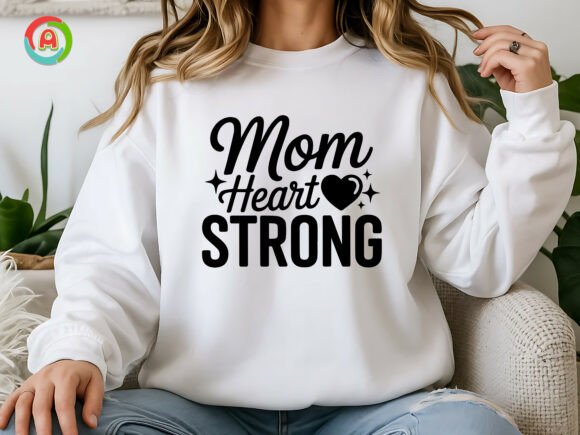
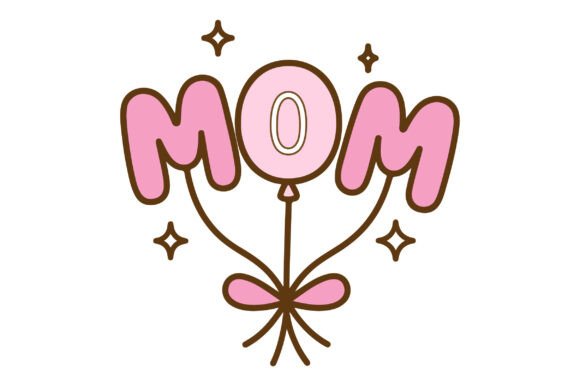
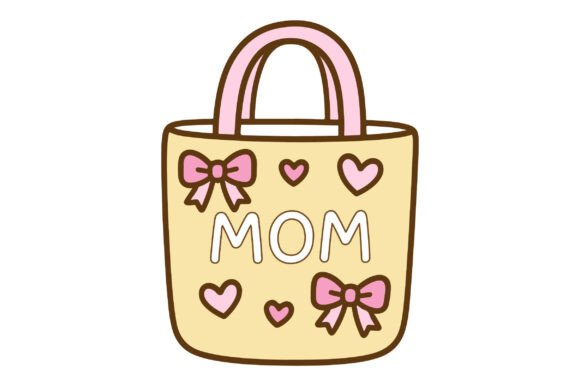
Opening Mom Tote Bag SVG feels like unrolling a well-folded sketchbook page — no jagged edges, no pixelated ghosts, just smooth vector lines with intentional spacing and balanced weight. As an embroidery designer who’s stitched hundreds of “mom”-themed files, I appreciate how this one avoids cutesy overload or stiff formality. It leans into warmth without leaning too hard — the kind of design that reads as handmade, not mass-produced, even before a single thread is laid down.
Where This Design Naturally Lives (and Thrives)
I recently used Mom Tote Bag SVG to embroider a set of canvas tote bags for a local boutique’s Mother’s Day launch. The result? Customers paused mid-aisle — not because it shouted, but because it *settled*. That’s the quiet power of thoughtful vector rhythm: clean curves, generous letter spacing, and a layout that breathes across fabric. It works beautifully on:
- Medium-weight cotton totes (ideal for satin stitch definition)
- Denim aprons — especially when paired with a subtle running-stitch border
- Baby onesies and burp cloths, where minimal detail prevents puckering
- Pillow covers and tea towels, where legibility at 4–6 inches matters more than fine flourishes
- Embroidered patches for small business branding — it scales cleanly down to 3.5” without losing clarity
It’s also held up well in commercial embroidery runs on sweatshirts and lightweight hoodies — but only when paired with medium-weight cutaway stabilizer. More on that in a moment.
Real Fabric Behavior: What Happens After You Hit “Start”
Here’s what Mom Tote Bag SVG does *not* do: it doesn’t demand heavy-duty hooping, nor does it collapse on textured linen or waffle-weave towels. Its vector simplicity translates directly to stable stitch paths — fewer direction changes mean less thread tension drama and cleaner fill stitch transitions. On a light-cotton kitchen towel, the design stayed crisp after three rounds of machine washing (cold, gentle cycle, air-dried). That’s a win for personalized gifts and boutique merchandise where durability equals trust.
That said, it’s not magic. On thin jersey or stretchy bamboo blends, I recommend testing with tear-away + lightweight cutaway combo stabilizer — otherwise, the outer curves can ripple slightly under dense satin stitch areas. And while it looks lovely on dark fabric in mockups, always verify thread color contrast in real life: pale mint or heather gray thread on navy canvas can vanish unless you add a subtle outline stitch or adjust density manually.
Where to Proceed With Care
Mom Tote Bag SVG shines brightest at 4.5”–6.5” wide. Below 3”, tiny interior details — like the subtle curve beneath the “o” in “Mom” — begin to compress. If you’re stitching caps or curved surfaces, avoid placing the full design across the front crown; instead, center just the word “Mom” and use the rest as a side accent or back tag. Also, skip ultra-fine fabrics like silk charmeuse or loosely woven gauze unless you’re using a water-soluble topper and reducing stitch density by 15–20%.
For baby embroidery or items meant for frequent washing, double-check that your machine’s fill stitch density isn’t overpacking the letters — especially in solid areas. Overly dense stitching leads to stiffness and premature thread wear. A quick stitch-count estimate (if your software shows it) helps, but visual inspection of a test run is irreplaceable.
Design Impact Beyond the Hoop
This isn’t just about thread and tension — it’s about perception. Mom Tote Bag SVG elevates the finished product because it looks intentionally designed, not templated. Etsy sellers tell me customers comment on the “handmade feel” even though it’s machine-embroidered — likely due to its generous negative space and organic line flow. For craft businesses, that translates directly to perceived value: buyers pay more for pieces that look considered, not copied.
It also supports brand consistency. Whether you’re selling embroidered totes, matching sibling pillows, or holiday gift sets, Mom Tote Bag SVG holds its own across formats without needing redesign. And because it’s vector-based, it adapts cleanly to printable mockups — essential for confident Etsy listings and social media previews.
Practical Notes Every Embroidery Designer Should Run Through
Before cutting fabric or loading your hoop, take these five minutes:
- Test on scrap fabric — same weight, same weave, same stabilizer combo you’ll use for the final piece.
- Check thread color contrast in natural light and under store lighting (if selling retail).
- Review stitch density in your embroidery software — reduce fill density slightly if working on knit or lightweight woven.
- Confirm hoop size compatibility — Mom Tote Bag SVG fits comfortably in a 5x7 hoop, but verify your machine’s max dimensions before scaling.
- Inspect small corners and inner curves — zoom in digitally to ensure no overlapping paths or stray nodes that could cause jump stitches.
Also: test it in black-and-white mockups. Does it hold presence without color? Does it read clearly on both light and dark backgrounds? Finally, confirm licensing terms — Mom Tote Bag SVG is listed under Graphics and Crafts, but commercial use rights vary. If you’re selling finished embroidered products or digital embroidery files, verify permissions first.
A Final Thought for Makers and Sellers
Mom Tote Bag SVG won’t solve every embroidery challenge — no single design can. But it solves the right ones: clarity without clutter, warmth without cliché, scalability without compromise. It’s the kind of machine embroidery design that makes customers pause, smile, and say, “I want one of those.” Not because it’s flashy, but because it feels true. That’s the mark of good design — and why this one earns regular rotation in my craft business toolkit.