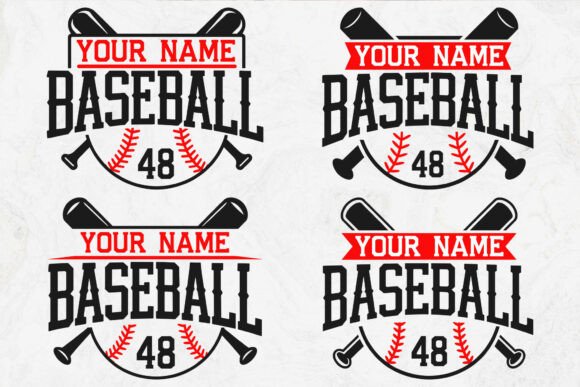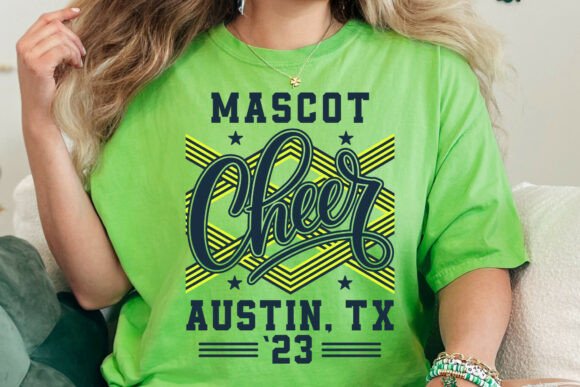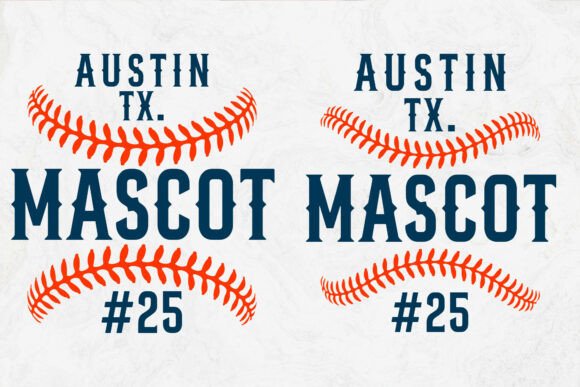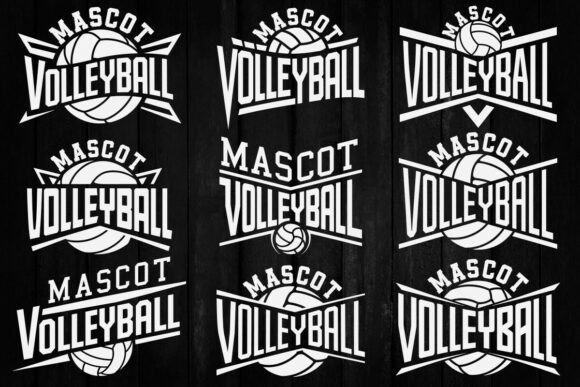
Softball Team Template, Softball Logo
As someone who’s stitched hundreds of team-themed designs—from youth league sweatshirts to boutique baby onesies—I opened the Softball Team Template, Softball Logo file with a quiet kind of anticipation. Not hype. Not hope. Just experience: I wanted to know if this design would hold up in real embroidery, not just look sharp on screen. So I loaded it into my digitizing software, pulled up a scrap of cotton twill and a lightweight tear-away stabilizer, and ran a test on a 4" hoop—exactly how I’d approach it for a custom embroidered tote bag destined for a local rec league fundraiser.
A Design That Feels Like a Team, Not Just a Sport
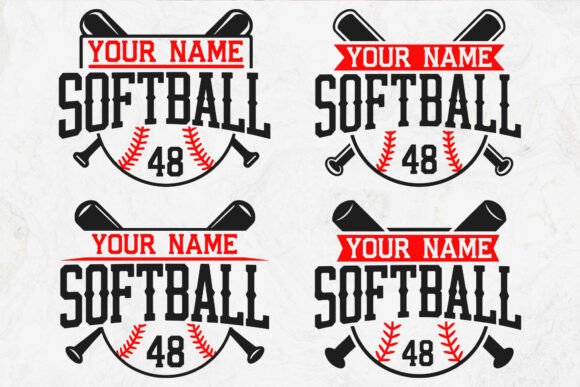
The first thing that struck me was its warmth. This isn’t a hyper-technical or overly aggressive mascot—it leans into friendly energy: rounded letterforms, a soft baseball-stitch outline around the central softball icon, and subtle texture in the “Mom” and “Dad” variants that reads as handmade, not mass-produced. The layout is clean but not sterile—there’s breathing room between elements, which matters when you’re stitching on a curved surface like a cap brim or a pillow cover seam. It doesn’t scream “competition”; it whispers “community,” and that makes it unusually versatile across Crafts and Graphics use cases.
Where It Shines—and Where It Needs Careful Handling
I’ve used the Softball Team Template, Softball Logo on sweatshirt embroidery (medium-weight fleece), baby embroidery (cotton interlock), and even an embroidered patch for a coach’s apron. In each case, it held clarity—especially the satin-stitched softball icon, which stayed crisp without excessive stitch density. On dark fabric, I switched to a high-contrast thread (navy + white combo worked beautifully), and the design retained its legibility without bleeding or shadowing.
That said, I wouldn’t push it into tight corners without testing. The smaller “Softball Mom” script version has delicate terminals—fine on stable, tightly woven fabrics like tea towels or structured tote bags, but risky on stretchy knits or thin cotton unless paired with cut-away stabilizer and reduced stitch speed. And while the mascot variant reads well at 3.5", it starts to lose definition below 2.75"—so I’d avoid it for tiny baby onesie front placements unless simplifying manually.
Real-World Fit Across Your Craft Business
For Etsy sellers and small shop owners, this design works especially well as a customizable core asset. Pair it with a client’s team name in a clean sans-serif (I often use a modified version of the included text block), and you’ve got a ready-to-sew sweatshirt embroidery package that feels personal—not templated. I’ve seen customers respond more warmly to finished products using the Softball Team Template, Softball Logo than generic sports fonts because it balances playfulness with polish. That trust translates directly to repeat orders and social shares.
It also bridges commercial embroidery and handmade presentation beautifully. When stitched on a linen-blend kitchen towel or a canvas apron, the design reads as intentional—not clip-art. That’s key for boutique branding or holiday embroidery gifts where buyers expect craftsmanship, not convenience. And because the file includes multiple variations (team logo, mascot, parent-focused versions), it supports product bundling: a “Softball Family Set” with matching tote, cap, and baby onesie becomes a natural upsell.
What You Must Check Before Stitching
Before committing to any project—especially one bound for resale—run these practical checks:
- Test on scrap fabric first, using your exact stabilizer + thread combo. A digital embroidery file can look balanced on screen but behave differently under needle tension.
- Review stitch density—not just for wear, but for fabric drape. Heavy fill stitch on lightweight cotton can stiffen a baby embroidery piece unnaturally.
- Confirm hoop size compatibility. If you’re planning caps or curved surfaces, make sure the widest element fits comfortably inside your smallest working hoop with margin.
- Inspect small details in both black-and-white and color mockups. Does the “Dad” script vanish on dark backgrounds? Does the softball’s stitching texture disappear on low-res previews?
- Compare light and dark fabric backgrounds in your design software. Some SVG-based embroidery files render fine lines inconsistently across contrast levels.
- Use proper stabilizer—especially for textured fabrics like terry cloth or fleece. A lightweight tear-away won’t cut it for dense satin areas; go medium-weight cut-away instead.
- Verify licensing before selling finished items or reselling the digital embroidery file. Since this is an INSTANT DOWNLOAD digital product, confirm whether commercial use is permitted for your craft business model.
Final Thought: A Thoughtful Tool, Not a Magic Button
The Softball Team Template, Softball Logo won’t replace thoughtful design judgment—but it does remove guesswork from a common request. It’s the kind of embroidery file that lets you focus less on “how do I make this look sporty?” and more on “how do I make this feel meaningful?” Whether you’re stitching a personalized gift for a graduating player, building a cohesive line of small shop product, or prepping printable mockups for an Etsy listing, this design anchors the work in warmth and intention. It’s not flashy. It’s functional—with heart. And in embroidery—where every stitch carries weight—that’s the highest compliment.