Cute Mom Kitchen Apron SVG: A Designer’s Honest Review
I see a lot of designs come through my studio, and I have learned to judge them not by how they look on a screen, but by how they will actually behave once thread hits fabric. When I first opened the Cute Mom Kitchen Apron SVG file, I was not looking for a pretty preview. I was looking for clean lines, sensible shapes, and a layout that would translate well into machine embroidery design work without making me fight the machine for three hours. What I found surprised me in a good way, and I want to walk you through exactly what I saw, where I would use it, and what you need to watch out for if you are planning to stitch this out for a real project.
First Impression: The Mood Reads Warm and Personal
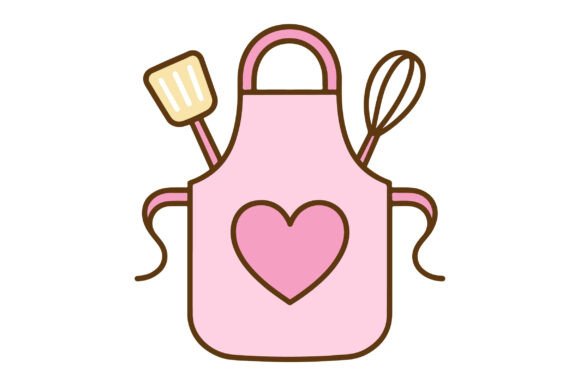
The design has a gentle, approachable feel. It is not trying to be overly trendy or loud. The theme centers around a cozy kitchen apron silhouette, and the way the shape is built gives it a soft, homey personality. This is the kind of visual that makes someone stop and smile because it reminds them of someone they love. For embroidery designers, that emotional pull is worth more than any complex detail. A personalized gift made with this design would land well with customers shopping for Mother’s Day, birthdays, or just-because presents.
From a stitching perspective, the shape reads clearly even at a smaller scale. The overall composition does not rely on tiny floating elements that would disappear under thread. That matters a lot when you are planning a finished product that needs to look intentional and professional, not like a blurry patch of stitches.
Where This Design Naturally Belongs
I always ask myself one question before I commit to a design: what product does this want to live on? The Cute Mom Kitchen Apron SVG obviously leans toward kitchen-themed projects, but it is flexible enough to step outside that box. I could see it working beautifully on a kitchen towel, a tote bag design, or a simple apron itself. The humor and warmth of the concept also make it a strong candidate for a custom apparel piece, like a relaxed-fit sweatshirt or a canvas tote that someone carries to the farmer’s market.
If you are an Etsy seller or a small shop product creator, this design gives you a lot of room to play. You could pair it with a name, a date, or a short phrase underneath without overcrowding the layout. That kind of personalization is exactly what buyers look for when they are shopping for a handmade product that feels thoughtful and unique.
Thinking Through a Real Project Scenario
Let me give you a real example from my own workflow. I recently prepared a set of embroidered kitchen towels for a client who wanted something charming but not fussy for her mother’s birthday. I tested several designs, and the Cute Mom Kitchen Apron SVG was one of the top contenders. I stitched it on a medium-weight cotton towel in a soft cream color, using a warm charcoal thread for the main outline and a muted coral for the accent details. The result was clean, readable, and had exactly the kind of handmade warmth the client was looking for.
That project reminded me why simple, well-structured designs often outperform overly intricate ones in real embroidery work. The towel went through a wash and dry cycle before I handed it over, and the design held its clarity without any puckering or distortion. That is the kind of reliability that builds customer trust and repeat business.
Practical Performance in Embroidery Work
When I evaluate any design for machine embroidery use, I think about how it will handle different fabric types, thread choices, and stitch applications. The vector style of this design suggests it was built with smooth curves and intentional shapes, which is a good sign. Designs that originate as clean vectors tend to digitize into embroidery files with fewer jagged edges and unnecessary nodes. That translates to smoother satin stitch runs and cleaner fill stitch areas.
If you are planning to convert this into an embroidery file, pay close attention to the stitch density in the smaller detailed areas. The apron shape itself is forgiving, but any decorative accents or lettering within the design need to be tested at the hoop size you intend to use. I always recommend running a test on scrap fabric first, especially if you are working with a new digital embroidery file that you have not stitched out before.
Thread Colors and Fabric Considerations
One of the first things I noticed when I visualized this design on different backgrounds is how much the thread color choice affects the mood. On light fabric, a dark thread creates a crisp, classic look. On darker fabric, you will want to use brighter or more saturated thread colors to maintain contrast and readability. I often test designs in black and white mockups before committing to a final thread palette. It is a quick way to check whether the design will hold its visual weight or get lost on the fabric.
For textured fabric like terry cloth or waffle weave, keep the design size generous and avoid overly dense stitching. The stabilizer you choose becomes even more important on those surfaces. A good cutaway stabilizer will prevent the design from shifting and keep the edges crisp. For stretchy fabric like a t-shirt or sweatshirt, use a fusible backing to lock the fibers in place before you hoop up.
Where You Should Use Extra Caution
No design is perfect for every situation, and the Cute Mom Kitchen Apron SVG is no exception. I would be cautious about using this on extremely small hoop sizes. If the design includes any fine interior details, those could close up under thread if you scale it down too far. The same goes for curved surfaces like caps. The apron silhouette might distort awkwardly on a highly curved cap front unless you adjust the placement and stabilize the area carefully.
I would also avoid putting this on thin fabric that cannot support dense stitching. Lightweight cotton voile or sheer materials will pucker and pull, no matter how well you hoop them. Stick with medium-weight fabrics that have enough body to hold the embroidery without warping. Layered garments with seams running through the design area are another headache. Try to position the design on a flat, uninterrupted surface for the cleanest result.
Washing and Durability Notes
If you are making products that will be washed frequently, like kitchen towels or aprons, test the finished piece through several wash cycles before you sell it. Check for thread fraying, fading, or any loosening of the stitches. A well-digitized applique design or running stitch outline should hold up fine, but it is always better to confirm than to have a customer come back unhappy. This is especially important for commercial embroidery work where your reputation is on the line with every product you ship.
Branding, Presentation, and Customer Appeal
One of the things I value most in a design is how it presents in a product listing. The Cute Mom Kitchen Apron SVG has a friendly, recognizable silhouette that photographs well against clean backgrounds. If you are selling on Etsy or at a craft fair, the visual appeal of the finished embroidery will draw people in. The design feels personal and warm, which makes it highly giftable. A boutique product featuring this design would sit comfortably in a curated shop alongside other handmade home goods.
For small business owners and creative entrepreneurs, consistency matters. Using designs that share a similar aesthetic helps build a cohesive brand look. This design fits into a family of cozy, heartfelt kitchen-themed products that customers recognize and trust. When your handmade product line feels intentional, buyers are more likely to view your shop as a professional source rather than a hobby operation.
Designer Notes Before You Start
Based on my experience, here is a practical checklist to run through before you stitch out the Cute Mom Kitchen Apron SVG for a client project or a craft business product line:
- Test on scrap fabric first. Do not skip this step, even if the design preview looks flawless on screen.
- Check thread color contrast. What looks good on a white background may disappear on heather gray or navy.
- Review stitch density. If the design feels too dense, it can cause puckering and make the fabric stiff.
- Confirm your hoop size. Make sure the design fits comfortably within your embroidery field with room to spare for proper hooping.
- Inspect small details. Zoom in on the digital file and look for any tiny shapes that might not stitch cleanly.
- Test on light and dark fabric. A design that works on cream may need adjustments for black or charcoal backgrounds.
- Use proper stabilizer. Match the stabilizer to the fabric weight and stretch level. This is not optional.
- Verify licensing. Before selling finished items or digital embroidery file products, check the usage terms that came with the design.
Would I Recommend It for Commercial Use?
Based on what I see in the design description, the Cute Mom Kitchen Apron SVG comes from a graphics category that suggests it is built for creative projects, including Cricut and Silhouette work. For embroidery designers, the vector quality is a strong starting point for digitizing into a clean stitch file. I would feel confident using this for personalized gifts, holiday embroidery projects, and small-batch boutique product runs. The design has enough personality to stand out while remaining simple enough to stitch reliably across multiple fabric types.
If you are an apparel decorator or a digital product seller who creates printable mockups or design assets, this file fits neatly into a kitchen-themed collection. The clean vector style means it will scale well for preview images, and the theme is perennially popular with buyers shopping for mom-related gifts.
Final Thoughts From the Stitching Table
I have reviewed hundreds of designs over the years, and I have learned that the ones that work best in real embroidery projects are not always the most elaborate. They are the ones with clear shapes, sensible proportions, and a theme that resonates with people. The Cute Mom Kitchen Apron SVG checks those boxes. It is warm without being saccharine, playful without being childish, and structured enough to stitch cleanly on a range of embroidery projects.
For Etsy sellers, hobbyists, and makers who want a design that translates well from screen to finished stitch, this one is worth a serious look. Do your testing, choose your thread colors thoughtfully, and you will have a product that feels handmade in the best possible way. That is the kind of work that keeps customers coming back, and at the end of the day, that is what we are all aiming for.