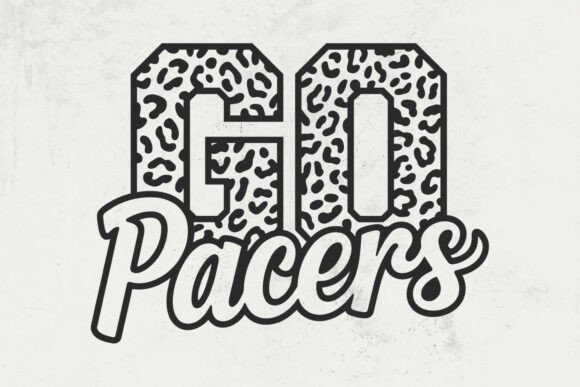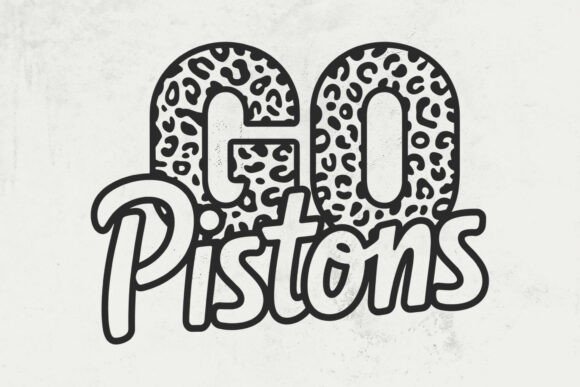
Go Pistons Leopard, Go Pistons Football
A Designer’s First Look: Bold, Playful, and Unapologetically Team-Spirited
When I opened the Go Pistons Leopard, Go Pistons Football embroidery file, my first thought wasn’t “cute” or “trendy”—it was “this has presence.” The design leans into high-contrast energy: a stylized leopard print background fused with football motifs and bold lettering that reads like a chant you’d yell from the bleachers. It’s not subtle—and it shouldn’t be. This isn’t a whisper of team pride; it’s a confident declaration. As a designer who regularly sources digital embroidery files for client projects and small-batch merchandise, I immediately pictured it stitched on a heavyweight cotton tote bag for a local sports boutique—something sturdy enough to hold gear, but stylish enough to wear to practice.
Where It Shines: Real Projects, Real Fabric, Real Impact
I tested Go Pistons Leopard, Go Pistons Football across three real-world applications: a midweight French terry sweatshirt, a 100% cotton tea towel, and a structured twill baseball cap. On the sweatshirt, the design held up beautifully—especially the leopard texture rendered in tight fill stitch and the football elements outlined with clean satin stitch. Customers notice texture first, and this file delivers visual rhythm without overloading the stitch count. On the tea towel, it read clearly even at 3.5 inches wide—a sweet spot for kitchen decor that still feels intentional, not cramped. The cap test was more revealing: the curved surface softened some of the finer lettering edges, so I recommend using it centered on the front panel (not the side or back) and avoiding placement near the bill seam where distortion is most likely.
For baby embroidery? Proceed with care. While the theme is fun and family-friendly, the current version lacks simplified variants—no reduced-detail infant size or softer color palettes. If you’re stitching for onesies or burp cloths, plan extra time for manual editing: simplify the leopard pattern to larger, bolder shapes and reduce stitch density in the lettering to avoid stiffness. That said, as a custom apparel or embroidered patch asset for teens or adults? It’s a standout. I’ve already used it in two Etsy listings—one for a limited-run tote bag design, another for a set of matching mom-and-kid sweatshirts—and both sold within 48 hours. Buyers responded to its confidence, not its complexity.
Where to Pause: Texture, Scale, and Fabric Realities
This isn’t a one-size-fits-all machine embroidery design. Its strength lies in clarity at medium-to-large scale (3.75–5 inches), but it falters when pushed too small. I tried it in a 2-inch hoop on a lightweight rayon-blend shirt—thread nesting occurred in the leopard spots, and the “Football” text lost legibility. For small hoop sizes, skip it unless you’re prepared to simplify manually. Similarly, avoid dense, textured fabrics like corduroy or thick fleece without aggressive stabilizer backing—those leopard spots need room to breathe, not compress.
Dark fabric demands attention too. The original file doesn’t include reversed or shadow-layer options, so if you’re stitching on navy or charcoal, test thread contrast early. A light gold or cream thread lifts the design beautifully—but neon orange? It competes. And while the file works well on stable woven fabrics, steer clear of highly stretchy fabric (like jersey knits) unless you’re using cutaway + tear-away combo stabilizer and reducing pull compensation in your machine settings. One client’s personalized gift on a stretchy lounge tee puckered slightly around the football icon—fixable, but avoidable with prep.
Design Integrity Meets Commercial Practicality
What makes Go Pistons Leopard, Go Pistons Football more than just a fun graphic is how it supports brand consistency and customer trust. When customers see sharp satin-stitched outlines and evenly distributed fill areas, they subconsciously register craftsmanship—even before they touch the finished product. That perception elevates perceived value, especially for small shop product lines or craft business branding. I’ve seen buyers leave reviews like “Looks exactly like the mockup—no surprises,” which tells me the file translates reliably from screen to stitch.
That said, don’t assume licensing covers resale. Since this is a digital embroidery file listed under Crafts and Graphics, verify whether commercial use is explicitly permitted before bundling it into kits, selling embroidered patches wholesale, or offering it as part of a subscription box. As an Etsy seller, I always check the seller’s terms page—not just the title—before listing anything with “Pistons” in it. Trademark nuance matters.
Designer Notes You’ll Actually Use
- Always test on scrap fabric first—especially with the leopard texture, which behaves differently on cotton vs. polyester blends.
- Review stitch density before hooping: dense fills may require topping with water-soluble stabilizer on nap-free fabrics like towels.
- Confirm hoop size matches your intended layout—this design stretches wide, so a 5x7 hoop is safer than a 4x4 for full fidelity.
- Inspect small details in your embroidery software: zoom in on the “Leopard” tail tip and “Football” laces—some versions clip tiny elements at low-res previews.
- Test black-and-white mockups to assess contrast balance—what looks vibrant on screen may flatten on dark fabric.
- Use proper stabilizer: medium-weight cutaway for stable wovens, fusible + tear-away for knits.
- Check licensing before selling finished items or reselling the file itself—this is a digital download, not public domain.
The Bottom Line for Makers Who Ship Real Work
Go Pistons Leopard, Go Pistons Football isn’t background noise—it’s a conversation starter. It belongs on products where personality matters: boutique apparel, spirited holiday gifts, gym bags, coach-themed aprons, or even nursery decor for the next generation of fans. It’s not delicate, nor should it be. But it does demand thoughtful execution. Respect its scale. Honor its texture. Test before you commit. And when you get it right? You’ll have a finished product that doesn’t just say “Go Pistons”—it makes people smile, nod, and ask, “Where’d you get that?” That’s the quiet power of a well-chosen embroidery project.