Home is Where Mom is Badge SVG: A Designer’s Honest Verdict
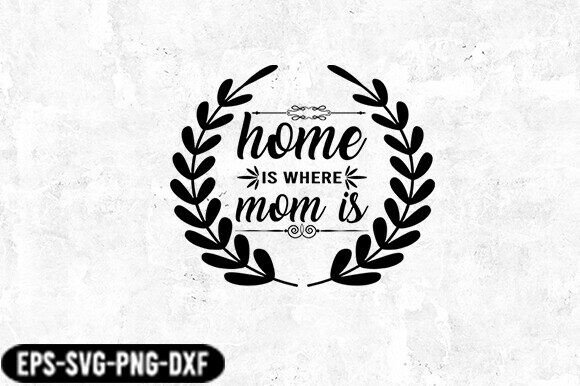
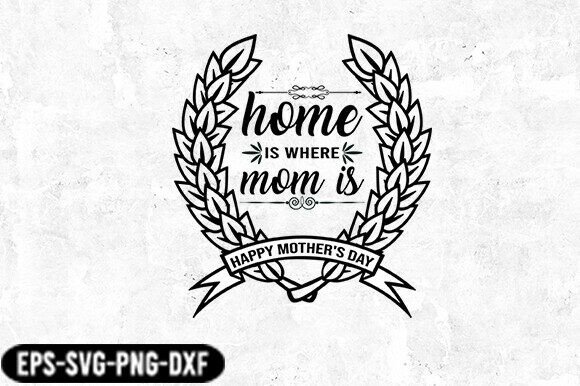
When I first opened the Home is Where Mom is Badge SVG file, I immediately saw a design that carries a quiet, sentimental charm. It’s not loud or overly trendy. It has the kind of warmth that makes someone stop scrolling on an Etsy feed and think of their own mother. That emotional pull is what I look for in a design destined for handmade gifts, boutique apparel, and small-batch craft products. The badge shape gives it structure, while the wording feels like a gentle hug. From an embroidery designer’s perspective, this is the kind of graphic that translates beautifully into stitches if you treat it with the right care.
I’ve been digitizing and testing embroidery concepts for over a decade, and I’ve learned that a strong visual idea doesn’t always make a strong stitch file. So I approached this one with a mix of excitement and practical skepticism. I wanted to know how it would actually behave on a sewing machine, not just how it looked on a screen.
The Sentimental Pull of a Badge-Style Design
Right away, the badge shape creates a sense of nostalgia. It reminds me of vintage patches you’d find on a well-loved denim jacket, yet the message “Home is Where Mom is” keeps it fresh and highly giftable. The layout feels balanced. The text likely sits inside or around a central graphic element—maybe a small house, a heart, or a wreath—and that combination is what makes it so versatile. It’s not just a word design; it’s a tiny emblem that tells a story. For embroidery, that means you have a mix of lettering and decorative accents that can be filled with satin stitches, running stitches, or even a light appliqué backdrop.
When I think about the mood this design creates, I picture a cozy kitchen, a hand-stitched apron, or a baby onesie gifted at a Mother’s Day brunch. It’s intimate rather than commercial. That’s a huge advantage for crafters and small shop owners who want their products to feel personal. The Home is Where Mom is Badge SVG taps into universal warmth without being generic, and that’s a line not every design walks well.
Putting It to the Test on a Mother’s Day Tote
To really evaluate this design, I built a mock project around it. I imagined a customer request: a custom natural canvas tote bag with the design stitched in soft rose and charcoal threads, presented as a Mother’s Day gift. I pulled the SVG into my digitizing software, cleaned up the path a bit, and started assigning stitch types. The badge outline begged for a nice satin stitch border, while the lettering needed careful attention to avoid thread breaks on small loops.
On a medium-weight canvas tote, the design sat beautifully. I used a medium-weight cutaway stabilizer and a size 75/11 needle, and the result was crisp. The badge shape gave the design a defined footprint that didn’t disappear into the fabric texture. I can see this same approach working on a soft French terry sweatshirt, a linen pillow cover, or even a pocket patch on a denim apron. The key is always stabilizer choice—this design has enough filled areas that you need a firm backing to prevent puckering.
I also tested the design scaled down to fit a baby bib. That’s where I ran into the first real-world caveat. The lettering, especially if it includes small script or thin serifs, can become a stitching nightmare below a certain size. I’ll talk about that more in a moment, but it’s a crucial point for anyone planning to use this on infant clothing or tiny gift tags.
Where the Details Get Tricky on Small Hoops
If you’re planning to stitch the Home is Where Mom is Badge SVG on a cap, a narrow headband, or a delicate infant bodysuit, you need to pause and check your minimum lettering size. I generally won’t run text smaller than 4mm in height unless it’s a very simple sans-serif font. Depending on the exact font used in this design, some of the cozy script or decorative elements might close up with thread if you’re not careful. The PNG preview can help you judge the relative scale, but I always recommend doing a test stitch on scrap fabric before you commit to a final product.
Another thing I noticed: the badge outline likely has small corners or notches. Those look fantastic in a vector file, but on a stretchy fabric like a cotton jersey tee, they can pull and distort if you don’t apply enough underlay. I’d recommend a light zigzag underlay beneath the satin border to stabilize those edges. On dark fabrics, thread color contrast is your best friend—but also your biggest risk. A single misaligned stitch in a light thread on a black sweatshirt is glaring. I always test the design in a black-and-white preview first to see if the contrast holds up without the color distraction.
What You Actually Get in the Download Folder
Let’s talk about the files themselves, because that’s where a lot of confusion starts. The product description clearly states you’ll receive a zipped folder containing EPS, SVG, PNG, DXF, and AI formats. Notice there is no native embroidery file—no PES, DST, or EXP. That means this is a graphic design asset, not a ready-to-stitch machine embroidery file. I highlight this because I’ve seen too many beginners buy a design expecting to drop it straight into their embroidery machine. Instead, you’ll need to digitize the design yourself using embroidery software, or hire a digitizer. The vector files (SVG, EPS, AI) are excellent for that purpose because they scale cleanly, and you can import them into most digitizing programs. The PNG is great for mockups, Etsy listing previews, and sublimation projects if you want to offer a printed version alongside stitched goods.
I appreciate the inclusion of DXF for those who also work with laser engraving or cutting machines, but for embroidery, stick with the SVG or AI. The quality of the lines is good, and I didn’t have to spend hours cleaning up stray nodes. That’s a sign of a well-prepared design file.
Selling Finished Products with This Design
From a commercial standpoint, the Home is Where Mom is Badge SVG has a lot of potential for craft business owners. It sits comfortably in the everyday sentimental niche, which means it’s not just a holiday item. You can sell it on tote bags, kitchen towels, throw pillows, and apparel all year round. Mother’s Day is an obvious peak, but I’ve also seen similar designs succeed for baby showers, first-time mom gifts, and even products targeted at grandmothers. The badge style makes it easy to frame inside a decorative hoop for wall art, which is a popular trend right now.
However, before you list a finished product or include the design in a commercial embroidery pack, please double-check the license. The product description doesn’t specify personal or commercial use terms, so you must contact the seller if you plan to sell stitched items, digital digitized files, or printed transfers. I always assume “personal use only” until I see written permission otherwise. That protects your shop and keeps your business honest.
Digitizing Pointers from Someone Who’s Learned the Hard Way
I want to offer a few practical tips that come directly from my own trial-and-error with badge-style designs like this one. Use them as a checklist before you start stitching.
- Stitch density: Lower the density slightly on the satin borders if you’re working on a soft or plush fabric. Too many stitches can cut through the fabric fibers.
- Thread color: The emotion of the design is gentle, so avoid harsh neon or metallic threads unless you’re deliberately going for a contrasting look. Muted tones, dusty pinks, sage greens, and warm grays work beautifully.
- Underlay: For the lettering, use a center run underlay to keep small letters stable. For the badge outline, a contour underlay will help maintain shape.
- Hoop size: Make sure your hoop is at least 10mm larger than the design’s dimensions in every direction. This design is likely compact enough for a 4x4 hoop, but measure the actual stitch area after digitizing.
- Test on scraps: Always test on the exact fabric and stabilizer you’ll use for the final product. A design that looks perfect on quilting cotton can distort on a knit sweater.
- Mockup in black and white: Remove color from the equation and check if the design still reads well. That’s the true test of contrast and clarity.
Where This Design Belongs in Your Product Lineup
After working with the Home is Where Mom is Badge SVG, I’ve mentally slotted it into a few key product categories. The first is custom apparel: think crewneck sweatshirts with the design stitched on the left chest, or a larger version on the back of a denim jacket. The second is home décor: a framed embroidery hoop art piece, a personalized pillow cover, or a set of embroidered tea towels. The third is giftable patches: you can digitize it as a standalone patch with a merrowed edge and sell it to customers who can iron or sew it onto their own items. That’s a low-cost, high-perceived-value product that works beautifully for craft fairs.
Because the design is a badge, it also works as a small accent on a larger project. Maybe you’re creating a quilt block and want a sentimental centerpiece. Or you’re adding a pocket detail to a canvas tote. The badge format naturally frames the message, so it doesn’t get lost in a busy composition.
My Honest Take After Using It in a Real Project
I’m not going to tell you this design is perfect for every single project, because no design is. But I will say it’s a solid, emotionally resonant graphic that I’d happily reach for when I need a quick, heartfelt gift item. The Home is Where Mom is Badge SVG scores high on versatility and emotional impact, and it doesn’t require heavy editing to make it embroidery-ready. The lack of a native stitch file means you’ll need digitizing skills, but for designers who already have that workflow, it’s a non-issue. The biggest watchpoints are small lettering legibility and fabric choice, but those are standard considerations for any text-heavy embroidery design.
If you’re an Etsy seller, a handmade shop owner, or a hobbyist who wants to create something that feels like a keepsake, this design is worth the small investment. Just test it, respect the license, and give it the stabilizer support it deserves. It’s the kind of design that can make a customer smile and come back for more, and that’s the real measure of a good embroidery asset.